
The Most Legendary World Cup Final Venues and Host Cities in History
The Most Legendary World Cup Final Venues and Host Cities in History
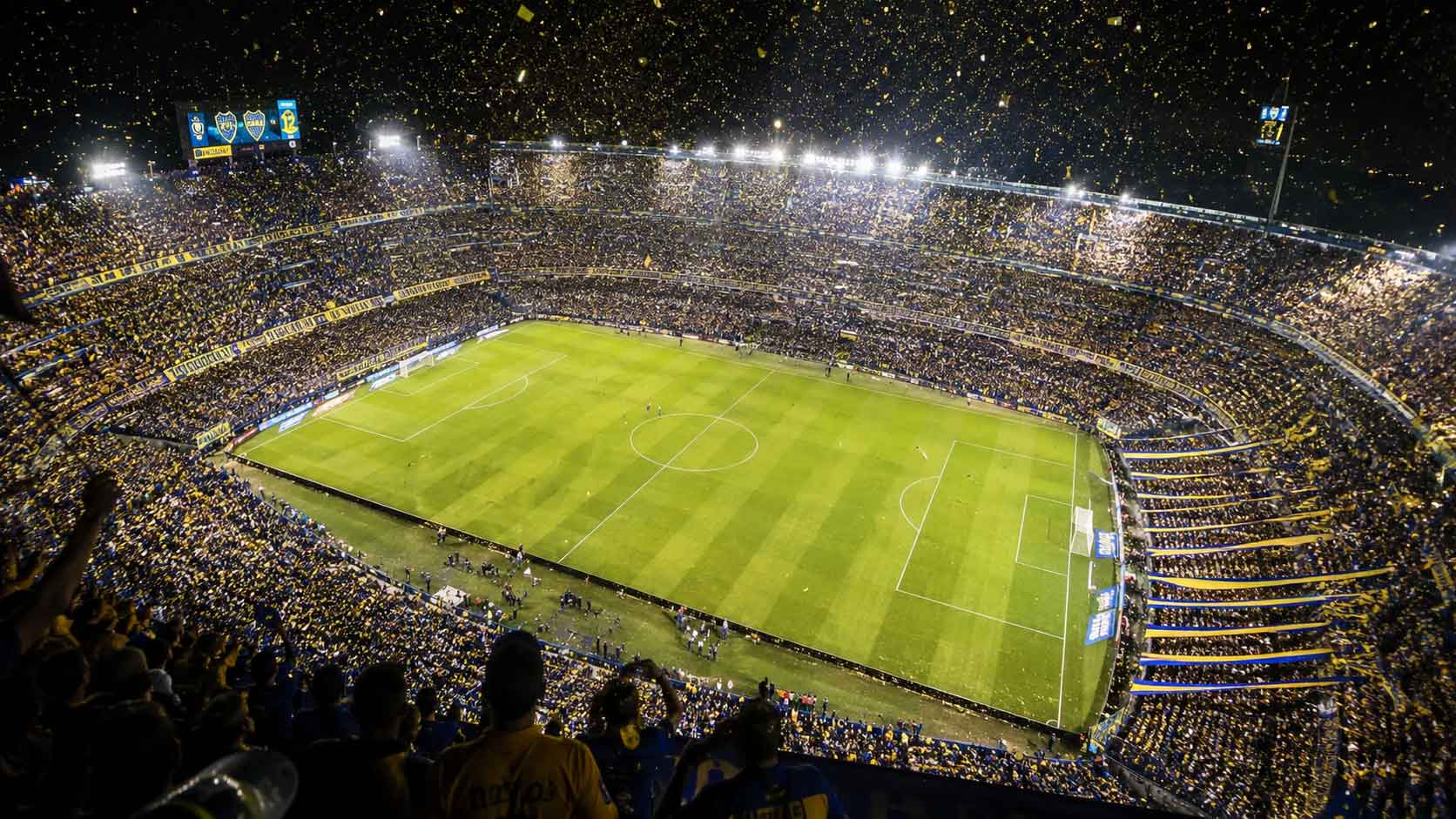
Every four years, the world holds its breath. Not just for the players, not just for the goals — but for the stage itself. The world cup final venues that have hosted football’s greatest night carry a weight that goes far beyond concrete and grass. They become symbols. They become chapters in a story that belongs to everyone who has ever loved the game.
For Malaysian fans who’ve stayed up past midnight to watch these matches, the venue is never just a backdrop. It’s where history is made — and where a mamak stall in Johor can feel, just for one night, like the centre of the world.
Why World Cup Final Venues Shape the Match Itself
Ask any player who has walked out for a World Cup final, and they’ll tell you the same thing: the ground changes you before you even touch the ball. The noise presses into your chest. The history beneath your boots makes your legs feel different. The atmosphere inside great world cup final venues is not passive — it participates.
According to FIFA, the selection process for World Cup host stadiums involves years of infrastructure evaluation, safety analysis, and capacity assessment. Every stadium that has ever hosted a World Cup final earned that right through a process as competitive as the tournament itself. And some of them repaid that trust with matches that rewrote what football could be.
From the unfinished terraces of Montevideo to the climate-controlled marvel of Lusail, the story of world cup final venues is also the story of how the world has changed.
Estadio Centenario, Uruguay — Where It All Began (1930)
The very first world cup final venue was built specifically for the occasion. The Estadio Centenario in Montevideo was named to mark a century of Uruguayan independence — a stadium raised for a tournament that nobody yet fully understood would one day become the most-watched sporting event on earth.
Workers were still finishing sections of the ground as teams trained around them. Uruguay beat Argentina 4–2 in front of nearly 70,000 fans. The world cup host cities story begins here, in a South American capital that dared to believe football deserved a monument.
The Centenario is now a UNESCO World Heritage Site in football terms — not officially, but in spirit. It is the origin point of everything that followed.
Iconic World Cup Stadiums: Wembley and the Match That Still Sparks Arguments
When England hosted the 1966 World Cup, Wembley Stadium became one of the most debated iconic world cup stadiums in the tournament’s history. The final against West Germany drew over 93,000 fans. England won 4–2. And one goal — Geoff Hurst’s shot that bounced on or near the line — has been argued about ever since.
Wembley’s twin towers became the most recognisable symbol of English football for four decades. When the old stadium was demolished in the early 2000s, supporters mourned it like a person. That’s what the best world cup final venues do — they become part of identity, part of belonging.
For Malaysians, this resonates. Stadium Bukit Jalil holds the same kind of emotional charge for national football moments. The Football Association of Malaysia (FAM) has long understood that the stadium matters — that where football is played shapes how it feels and what it means.
Estadio Azteca — The Only Stage to Host Two Finals (1970 & 1986)
No world cup final venue has hosted two finals. The Estadio Azteca in Mexico City came closer than any — staging the 1970 final between Brazil and Italy, and the 1986 final between Argentina and West Germany.
In 1970, the world cup host cities heat in Mexico was a factor in itself. Afternoon temperatures pushed 40 degrees. Brazil’s 4–1 victory over Italy in those conditions remains the most beautiful football ever played at a World Cup final — Pelé, Jairzinho, and Carlos Alberto producing football that still looks breathtaking on archive footage today.
In 1986, Diego Maradona watched Argentina lift the trophy under floodlights — weeks after scoring both his famous handball goal and that extraordinary solo effort against England. The Azteca had witnessed both Pelé and Maradona at their absolute peak. No other stadium on earth can say that.
The Azteca is one of the most iconic world cup stadiums in existence, not because of its architecture, but because of what it has contained.
Rose Bowl, Pasadena — 94,000 People and One Moment of Silence (1994)
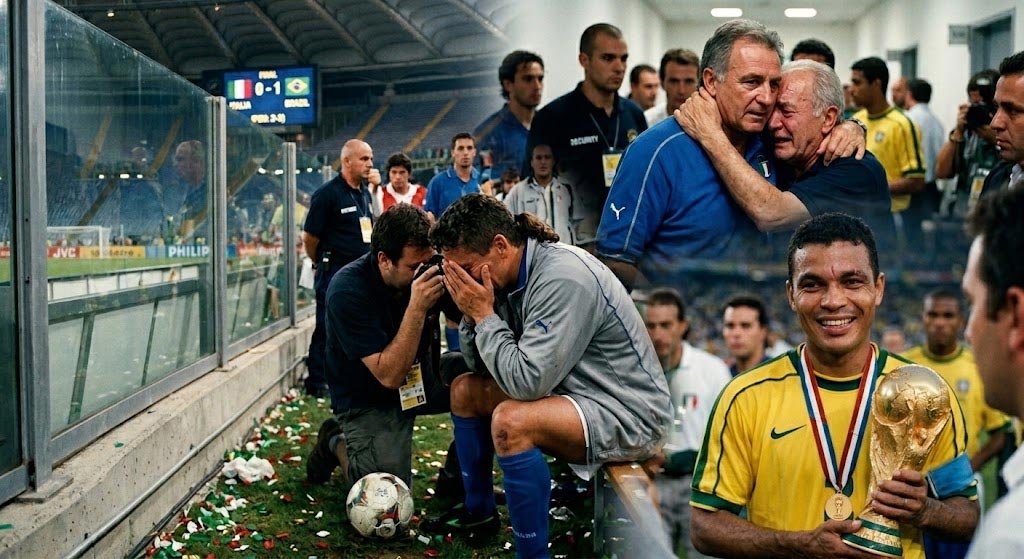
The 1994 World Cup final was held in one of the most unexpected world cup host cities imaginable: suburban Los Angeles. The Rose Bowl — a venue built for American football in 1922 — seated 94,000 fans under fierce California sun for a match between Brazil and Italy that ended goalless after 120 minutes.
The deciding penalty from Roberto Baggio sailed over the bar. The silence that followed inside one of the world’s great world cup final venues was almost sacred. Brazil were champions. Italy were devastated. And a stadium that had hosted Super Bowls and Olympic football produced its most unforgettable moment in those few seconds of stillness.
BBC Sport has consistently ranked the 1994 final among the most emotionally charged in tournament history — not for the football, but for the humanity on display in that final moment.
If you want to understand what Roberto Baggio was carrying in those seconds — the injury, the sacrifice, the career — read The Untold Stories Behind World Cup Finals: Players, Coaches and Tears.
Olympiastadion Berlin — History Reclaimed (2006)
Germany’s capital provided one of the most complicated world cup final venues in the tournament’s modern era. The Berlin Olympiastadion was built for the 1936 Olympics — a stadium constructed under a shadow that history has never fully lifted.
Hosting a World Cup final there in 2006 was a statement: sport can reclaim spaces. Football belongs to the future.
The match itself gave world cup host cities something to talk about for years. France vs Italy ended with Zinedine Zidane’s infamous headbutt on Marco Materazzi in extra time — a red card, a penalty shootout, an Italian title. The image of Zidane walking past the World Cup trophy without touching it, in his final professional match, is one of football’s great haunting photographs.
Malaysian fans watching in the early hours of that morning felt the weight of it. Great iconic world cup stadiums amplify emotion — the setting makes what happens inside feel larger than it already is.
World Cup Host Cities Go to Africa: Soccer City, Johannesburg (2010)
When South Africa won the right to host the 2010 World Cup, the football world held its breath. Could the infrastructure hold? Could the passion translate?
Soccer City — officially the FNB Stadium — answered every question on the night of the final. Spain defeated the Netherlands 1–0 through Andrés Iniesta’s extra-time goal, in a world cup final venue filled with the sound of vuvuzelas and the collective roar of a continent. UEFA has since described Spain’s triumph as a landmark moment for world football — but the setting gave it a weight that no European stadium could have matched.
For the first time in 80 years of World Cup history, the trophy was lifted on African soil. That matters. And the world cup host cities story would never be the same after Johannesburg.
Iconic World Cup Stadiums: Lusail and the Greatest Final Ever Played (2022)
The 2022 World Cup final at Lusail Iconic Stadium in Qatar produced what most football historians now consider the greatest match in the tournament’s history. And the venue was built to match that ambition.
Seating nearly 89,000 fans in air-conditioned comfort, rising from a desert landscape that few imagined would ever host football at this level, Lusail was unlike any previous world cup final venue. It existed outside normal geography — a world cup host cities statement that football could go anywhere, that passion had no climate.
Argentina vs France. A 3–3 draw after 120 minutes. A penalty shootout. Lionel Messi’s redemption. The full story of what happened inside Lusail that night goes far beyond tactics and scorelines — for a deeper look at the iconic moments that defined that match and others like it, read The Most Iconic World Cup Final Moments in History.
What Makes a World Cup Final Venue Become Legendary?
The greatest world cup final venues share certain qualities. They hold enough people to create a wall of sound that physically affects the players. They carry a sense of occasion — a feeling, the moment you walk through the gates, that you are part of something that will be remembered. And they sit in world cup host cities that embrace the tournament: streets full of flags, strangers becoming friends at 3am, national pride meeting global joy.
These are not just stadiums. They are containers for collective human experience. The Centenario holds the memory of football’s birth. Wembley holds a disputed goal that launched a thousand arguments. The Azteca holds two of football’s greatest players at their peak. Lusail holds the night Messi finally became everything his supporters always believed he was.
Malaysian football fans understand this, even without a national team on that stage. Every four years, the mamak stall becomes its own world cup final venue — where communities gather, where tension builds, where a goal scored 10,000 kilometres away produces a roar that shakes the zinc roof. That shared experience is the quiet magic of great football venues, whether they seat 89,000 or 89.
The Football Association of Malaysia (FAM) has long acknowledged that watching World Cup finals inspires young Malaysians to take up the game. When a child in Segamat sees the Lusail floodlights on a phone screen and feels something move in their chest, the world cup final venue has done its job — even from the other side of the world.
Final Thoughts
The scorelines fade. The trophies get locked in cabinets. But the stadiums remain — and so do the memories made inside them. The best world cup final venues in history are not defined by their capacity or their architecture. They are defined by the moments they held, the emotions they witnessed, and the stories they made possible.
And somewhere, four years from now, a new chapter will be written inside a new stadium — in one of the world cup host cities that the next generation will remember forever.
That is the power of place. That is the power of football.
More Latest Updates:
Related Posts



























About BC55 Casino

BC55 Official is Malaysia's first-rated online casino, offering a top-notch gaming experience with over 200 exciting online casino games.
Getting Started with BC55 Casino
After exploring our guide and tips, start your existing gambling journey at BC55 now!
Step 1 - Visit bossclub55.com and create your free account.
Step 2 - Make your first deposit and claim your exclusive welcome bonuses.
Step 3 - Explore our game lists with a variety of games.
Step 4 - Try games in demo mode or play straight with real-money action.
Step 5 - Download BC55 mobile app for ease of gaming.